March Essay Competition
March 9 — March 22, 2026,

Prompt
The average man, regardless of creed, family background, religion, personal convictions, or social, economic, or marital status, will always feel threatened or intimidated by a successful, strong, independent woman.
Competition Home Page
Essay
Score
Why women intimidate the average man.
March 15, 2026
· 904 words
· 5 min read

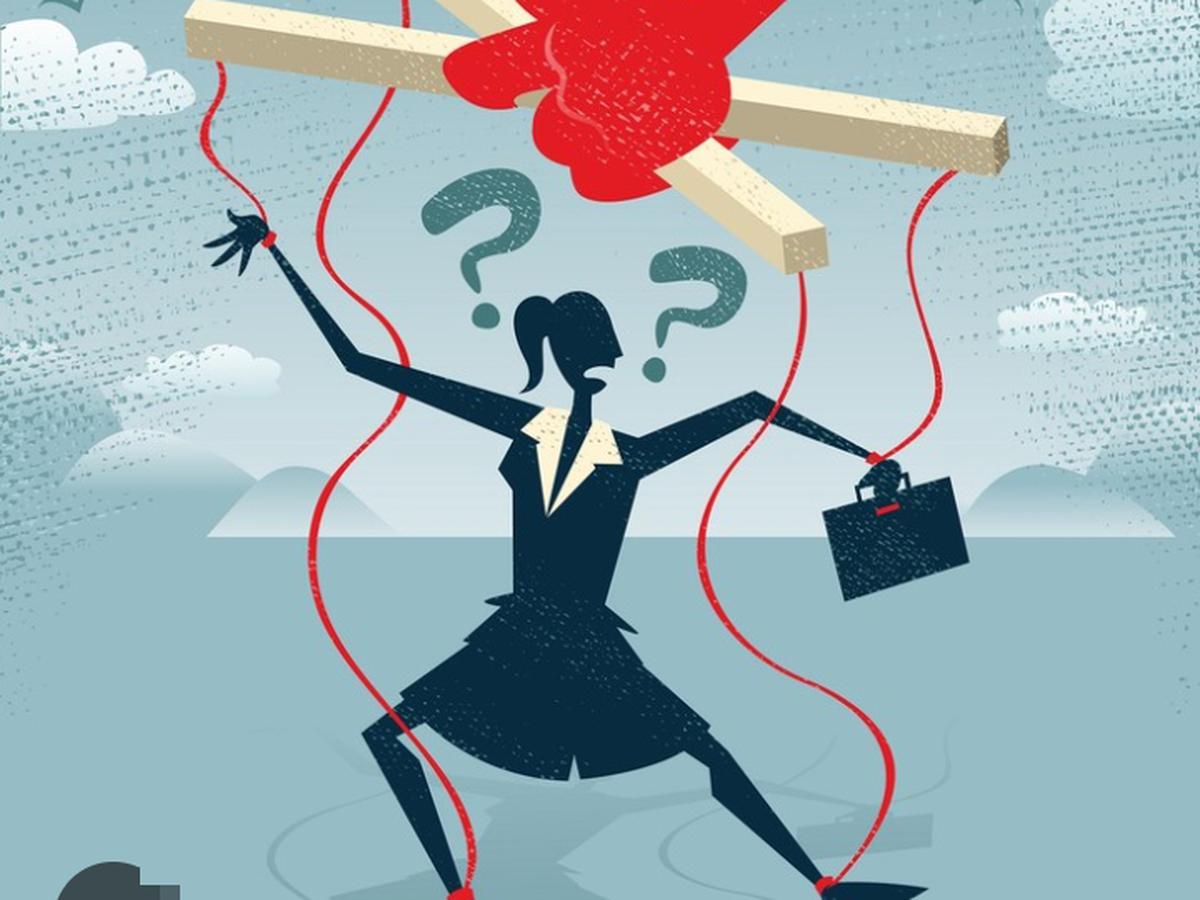
<p>Why do we celebrate power until the person holding it challenges our expectations? </p><p>For centuries, societies across the world have been shaped by rigid ideas about gender roles and authority. Men were often seen as the leaders and providers, while women were expected to stay in the background—managing the home, raising children, and submitting to their husbands. Yet, as more women rise to positions of influence in politics, business, and society, these long-held expectations are being challenged. History shows that the rise of independent, powerful women can provoke feelings of insecurity or intimidation among men who see their authority threatened. Four key factors can help explain this phenomenon.</p><p><br></p><p>1. Traditional Gender Role Expectations</p><p>One reason some men feel threatened by successful women is that their authority breaks long-standing social rules about leadership. When women occupy roles traditionally reserved for men, it can provoke resistance, hostility, or unease. Take for an example, Efunsetan Aniwura, the Iyalode of Ibadan in the nineteenth century. </p><p>She controlled vast wealth and wielded political influence, directly challenging the male-dominated hierarchy. Tensions with male leaders, particularly war chief Aare Latoosa, eventually contributed to her assassination in 1874 (Smith, Kingdoms of the Yoruba, 1988; Encyclopaedia Britannica). Her story shows that the reaction was men defending social norms.</p><p>Similarly, the women of the Aba Women’s War of 1929 challenged both colonial authorities and local male leaders by protesting unfair taxation and economic exploitation. Their remarkable organization alarmed men used to unquestioned authority. The violent suppression that followed revealed how male-dominated systems resist shifts in traditional gender roles. In patriarchal societies, simply exercising authority can make women appear threatening to men.</p><p>2. Threat to Masculine Identity</p><p>Beyond societal rules, men may feel personally challenged when a woman demonstrates competence, leadership, or authority, triggering insecurity or fear of inadequacy.</p><p>Even today, we see this in figures like Temitoluwa Ajibade, known as Temi Otedola.</p><p> She is a businesswoman, actress, fashion influencer, and L’Oreal Paris ambassador, as well as the daughter of billionaire Femi Otedola. While admired by many, some men feel intimidated by her independence and achievements. They may perceive her success as a comparison or challenge, leading to labels like “arrogant” or “overambitious”—essentially attacks on male ego.</p><p>A historical example is Catherine the Great, </p><p>who ruled Russia from 1762 to 1796. Despite her achievements in expanding territory and modernizing the administration, many male critics sought to undermine her authority through gossip and moral accusations. These attacks weren’t about her policies—they were attempts to defend male pride against her competence (Massie, Catherine the Great: Portrait of a Woman, 2011).</p><p>3. Fear of Losing Control or Dominance</p><p>Power is closely tied to control, and independent women can shift established power dynamics, creating anxiety for men who are used to holding authority. During Nigeria colonia era, male rulers and British administrators reacted violently to the Aba women’s protests because their dominance over local politics and economics was being challenged. </p><p>Globally, women still occupy relatively few leadership positions. According to the Inter-Parliamentary Union (IPU) 2025 report, women hold about 26% of parliamentary seats worldwide, showing that men continue to dominate decision-making. Even in everyday life, a pastor might feel threatened if his wife is perceived as more anointed or charismatic. This reveals societal norms that define men as leaders and women as supporters.</p><p>This dynamic is reflected in a fable about ants. The ant king was wise and respected, while the queen quietly learned the workings of the kingdom. Before his death, she asked him to grant her one wish: to lead after he passed, secretly from the subordinates. After the king’s death, the queen took over. The male subordinates, who had invested in bribery and campaigns, felt betrayed. One bitter ant exclaimed, “It’s an abomination for a woman to rule over us! I would rather be ruled by anyone than a woman!” Despite her calm warning and smiles, their fear of female authority led to resistance and ultimately, her murder. This mirrors real-world patterns: men’s discomfort with female authority can escalate into hostility and suppression.</p><p><br></p><p>4. Ego, and comparative Success.</p><p>Finally, some men feel intimidated when a woman achieves more recognition, wealth, or success than they have, triggering feelings of inadequacy, envy, or pressure. Olympe de Gouges exemplifies this.</p><p> In 1791, she challenged revolutionary leaders with her Declaration of the Rights of Woman and the Female Citizen, advocating for equal political rights. Her competence and courage provoked hostility, leading to her execution in 1793 (Hunt, The French Revolution and Human Rights, 1996; Encyclopaedia Britannica). A Nigerian man once commented, paraphrased, “It’s better for a goat to rule over us than a woman.”</p><p>Are we to ask, “What is so much in a woman that triggers this feeling of spite and degradation?” Or, “Why is our society a patriarchal system that establishes norms revolving around men, positioning them as superior?” </p><p>Conclusively, the intimidation some men feel toward powerful women is as a result of long-standing societal structures defining gender roles. Patriarchal norms historically limited women opportunities and positioned men as default leaders. When women challenge these norms, reactions of insecurity or defensiveness often arise, not because men are inherently “evil,” but because society has long equated power with masculinity.</p><p>The solutions lie in reframing societal expectations rather than assigning blame. Promoting equitable leadership, recognizing merit without gender bias, and encouraging collaboration can reduce perceived threats. By reshaping norms that have governed power for centuries, society can foster an environment where strong, independent women are respected, and men feel unthreatened by their success, leading to a more balanced, fair, and just society.</p><p><br></p><p><br></p><p><br></p><p><br></p>

 10
10







































Comments