Score |
36








What is Cash Out?: The Algorithm of Despair and the Vocation of the Gambler
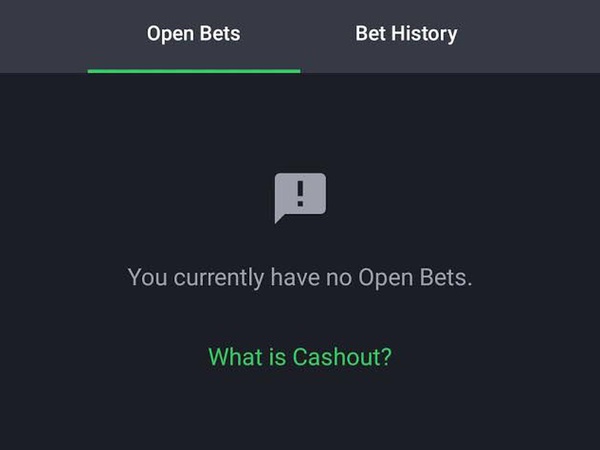
<p>Just the other day, I experienced a micro-burst of triumph. A monetary win, a negligible sum in the grand scheme, yet it delivered that familiar, potent surge of dopamine. That fleeting moment where the algorithms of the universe seem to align, where you feel, for a precious instant, like a genius. This is the “vibe” of winning, a stochastic high that convinces you, however briefly, that you’ve cracked the code. You think you’ve outsmarted the system because you’ve won pennies, but in reality, you’re merely a node, momentarily activated, within a larger, far more predatory graph. </p><p>My thought process here was simple, almost primal: the money, fleeting as it was, immediately went to cover the choir program fees and chip away at lingering debt. What remained was a pittance, a stark reminder of the void. And in that void, the algorithm of desperation whispers: <strong>double it</strong>. The cycle begins anew, driven by the illusion that the next bet will be the one to break the chain. </p><p>For a young Nigerian, navigating the economic complexities of our time, it’s no surprise that betting often appears as a refuge, a tantalizing shortcut to financial stability. My booking code, 9DR56, wasn’t just a series of numbers; it was a manifesto of hope, a meticulously crafted projection of a better future.</p><p><br/></p><p>And then, the magic trick. The digital sleight of hand that unfolds on the SportyBet interface. You’re meticulously tracking your open bets, perhaps nursing that 9DR56 with bated breath. You refresh the page, and the landscape shifts. The familiar “Open Bet” tab transmutes, morphing into a question, a philosophical query posed by the platform itself: “<strong>What is Cash Out?</strong>” It appears like a digital ghost, a siren call from the depths of the algorithm. In product design, we often discuss “dark patterns”, interfaces designed to subtly manipulate user behavior. But this is deeper. This is a glitch in the simulation of your own perceived success. One minute you hold a ticket, a tangible representation of potential wealth; the next, the system is asking you to doubt yourself, to quantify your fear. The tab looks like magic, one minute you have one open bet, and the next you are seeing what is cash out. It’s a brilliant, if unsettling, piece of psychological engineering, a real-time diagnostic test for your greed.</p><p><br/></p><p>This existential query is quickly followed by the ultimate test of resolve: Aviator. Ah, Aviator. The game that promises ascension but often delivers a one-way ticket to your ancestral village. Literally. It’s a decentralized relocation program, disguised as a simple multiplier game. The plane takes off, the multiplier climbs, and you, the player, are locked in a silent battle with your own impulses. Do you cash out now, securing a modest gain, or do you hold, chasing the elusive, exponential payout? I’m still bemoaning the ₦10,000 I lost to Aviator in a desperate bid to “make it quick.” Just three more odds, and I would have been ₦20,000 richer. But that plane… it always flies away. From first principles, Aviator is a stark visualization of human hope plotted against a random number generator. The plane isn't just flying; your rent is. The sound of that engine, the rising crescendo of the multiplier, it’s not just game audio; it’s the startup sound of your return to the village, packed with your shattered aspirations. The jokes write themselves, yet the reality is far less amusing.</p><p><br/></p><p>My current travail is a familiar one. The immediate need to find ways to make money before this latest, fleeting win evaporates. It’s a cycle, a perpetual motion machine fueled by hope and dashed expectations. I recall the insights from the TwoCents article, the one about “The Vibe, The Void, and The Vocation: Why the African Digital Worker is the New Boss.” The author spoke of the “vibe coding” mindset, the illusion of control, the seductive velocity of AI-generated output. We talk about the African Digital Worker being the new boss, orchestrating AI, leveraging tools. But right now, the only boss I see is the glowing green interface of SportyBet. I’m not orchestrating AI; I’m orchestrating a 15-game parlay, desperately trying to outmaneuver an algorithm designed to be unbeatable. The void isn't just a philosophical concept; it's the empty space in my wallet after a particularly ambitious Aviator flight.</p><p><br/></p><p>The vocation of the gambler, it seems, is to perpetually confront these broken puzzles, these inconsistencies that the TwoCents article so eloquently described in a different context. The machine can generate answers, but it cannot take responsibility for them. And in this realm, the machine, the platform, the algorithm, they offer answers, but the responsibility, the consequence, always falls squarely on the human. My boss wants perfect by 4 PM? I just want the plane to reach 2.0x. Because in this system, “perfect” is just another word for “not yet cashed out.” And perhaps, just perhaps, to truly understand what “cash out” means, beyond the fleeting promise of a digital escape hatch, is to understand the very essence of our struggle against the algorithms that govern our modern lives. It’s a question that resonates, a constant echo in the digital halls of my financial travails.</p><p><br/></p>


 16
16







Other insights from Zeus














Referral Earning

Points-to-Coupons

Insights for you.






CBN'S NEW withdrawal limit policy
A lot of Nigerians, especially business owners and entrepreneurs have been thrown into ...
2142 views
5 upvotes
4 comments


GHANA VS THE EUROPEAN UNION
Chocolates, one of the most loved treats, commercialized in American pop culture as one...
1106 views
6 upvotes
5 comments





MIND VS MACHINE
Long before silicon and 1's and 0's, philosophers mused about “automata” that moved of ...
449 views
8 upvotes
11 comments



































Comments