Score |
99







Our cry 🥺💪
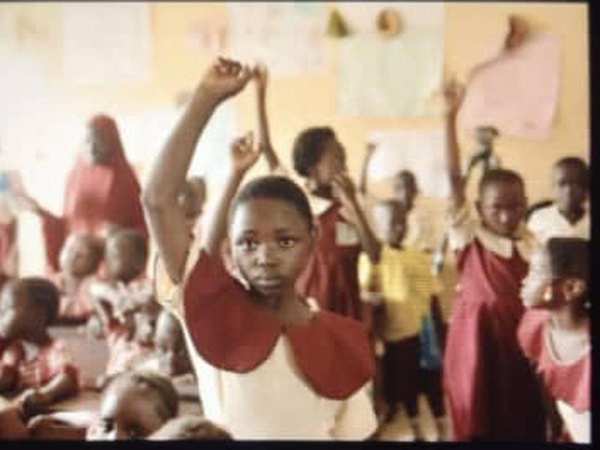
Urgent Appeal to Address Discrimination and Inequality Against Nigerian Children. My name is Maqdiya Abdulsalam, and I am a 15-year-old student writing to you today with a heart full of concern for the many children in Nigeria whose futures are limited by discrimination and inequality. I believe that UNICEF, with its powerful voice, can help us break the chains that hold them back.
The main issue I see is that many children are denied their basic rights because of who they are either because they are girls, because they are from a poor family, or because they live in a remote village. This isn't just unfair, it has lasting negative impacts. For example, one of the most painful forms of inequality is the denial of education for girls. In Nigeria, over 7.6 million girls are out of school.
Many are forced to stay home for chores, forced into early marriage, or their families simply prioritize educating their boy child. This shatters their dreams of becoming doctors, lawyers, or pilots before they even have a chance to try. The saying "educate a girl, educate a nation" is true, but we are failing to live by it. Additionally, children with disabilities or those from rural communities often cannot get quality healthcare or nutrition. They face discrimination simply because of the circumstances of their birth and environment.
This inequality steals their childhood and their potential .To solve these problems, we need action. I respectfully suggest that UNICEF could help by:
1. Supporting "Community Advocacy Teams": Create teams of parents, teachers, religious and traditional leaders in rural areas using their influence to advocate for every child's right to go to school, especially girls. These local voices can change minds in a way outsiders cannot.
2. Launching a "See My Ability, Not My Disability" Campaign: Use local communication channels and social media featuring successful Nigerians with disabilities to fight stigma and promote inclusive schools and healthcare.
3. Providing Seed Grants: by helping poor families with a small amount of money on the condition that their children, both boys and girls, are kept in school and receive regular health check-ups. This makes supporting a child's future easier for struggling parents. UNICEF already does amazing work and I believe that by focusing even more on these areas, you can help ensure that no Nigerian child is left behind because of discrimination or inequality.
I dream of a Nigeria where every child, regardless of gender, wealth, or background, has an equal chance to learn, grow, and achieve their dreams. Thank you for listening …(A concerned student and child advocate)


 71
71



Other insights from Maqdiya Abdulsalam












Referral Earning
Points-to-Coupons

Insights for you.


A WORD IS ENOUGH FOR THE WISE
There is something extremely powerful about words, they hold power most never pay atten...
1839 views
7 upvotes
7 comments


Education vs Religion
I thought this is an interesting topic, especially when Religion is a form of education...
1330 views
4 upvotes
1 comment


THE MAK LAW SCHOOL EXPERIENCE
Around July 2022, I met Mr. Tobi Igbendion who introduced me to the Two Cents Platform....
1243 views
3 upvotes
4 comments

ASUU IS COMPLICIT
The Academic Staff Union of Universities (ASUU) was formed in 1978. It is officially re...
1206 views
2 upvotes
2 comments

CURIOSITY: THE FUEL OF EDUCATION
Anything worth doing is worth doing well. This is one of the many age old sayings tha...
1183 views
1 upvote
0 comments

Rebellious for a Reason
Students in most universities, professional schools and institutions in Cameroon face a...
1113 views
7 upvotes
6 comments



Learning French has been Messy
Many people ask me about my french learning journey. I usually have long winding voice ...
1100 views
6 upvotes
3 comments


























Comments