Score |
16


Student @ Adekunle Ajasin University,Akungba Akoko Ondo State.Nigeria.




"The Rag Legacy Our Colonists Left For Us"
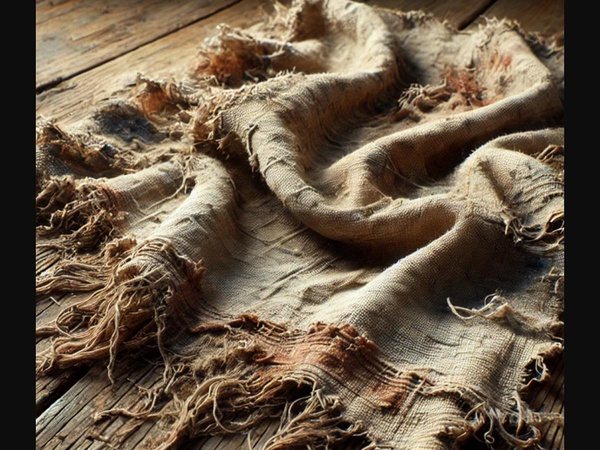
<p><br></p><p><br></p><p>When we examine the legacy of colonialism, we often focus on the visible scars—looted wealth, altered borders, and suppressed cultures. But lurking in the shadow of these grand narratives is a more subtle and insidious remnant: what can be called the rag legacy—the fragments of systems, beliefs, and structures left behind by colonial powers that continue to hinder progress in many post-colonial societies.</p><p><br></p><p>Fragmented Institutions and Imitation Governance</p><p><br></p><p>Colonial administrators did not design governance systems to serve the colonized. Instead, they created mechanisms of control—bureaucracies that prioritized extraction, law enforcement structures that suppressed dissent, and educational systems that produced clerks rather than thinkers. After independence, many countries inherited these half-built institutions. Leaders donned the mantles of statehood, but the systems beneath were often ill-suited to the aspirations of a free people.</p><p><br></p><p>Rather than dismantling and rebuilding these frameworks, many post-colonial states merely adopted them, often unquestioningly. The result? A patchwork of institutions—some colonial in structure, others national in aspiration—leading to inefficiencies, corruption, and disillusionment.</p><p><br></p><p>Economic Dependencies and Skewed Development</p><p><br></p><p>Colonial economies were rarely constructed for internal strength. They were designed to serve the imperial core. Agriculture was tailored to cash crops, industries were stifled, and infrastructure was built to move goods to ports, not people to opportunity. Upon gaining independence, many nations found themselves with lopsided economies—highly dependent on single exports, with little value-added industry and minimal economic sovereignty.</p><p><br></p><p>Even today, echoes of these economic chains persist. Post-colonial nations often rely heavily on former colonizers for trade, aid, and investment. This dependency traps many countries in cycles of debt, low industrial development, and vulnerability to external shocks.</p><p><br></p><p>Cultural Confusion and Lingering Inferiority</p><p><br></p><p>Colonialism also left behind a confused sense of identity. Languages, dress, governance, and even spirituality were imposed or encouraged, often at the expense of native traditions. After independence, many people struggled to reconcile inherited European values with indigenous identities. What emerged in many cases was a fractured cultural landscape—a tension between embracing the modern world and preserving ancient heritage.</p><p><br></p><p>The internalized inferiority that colonialism fostered remains deeply embedded. From favoring foreign products to valuing imported ideas over homegrown solutions, this colonial mindset continues to impact decision-making at both individual and institutional levels.</p><p><br></p><p>Educational Misalignments</p><p><br></p><p>The educational systems left behind by colonists were never intended to empower or liberate. Instead, they were structured to produce a minimal administrative class—obedient, literate, and aligned with colonial ideology. Unfortunately, these systems often persist in post-colonial countries, emphasizing rote learning, foreign curricula, and outdated values.</p><p><br></p><p>True education reform has been slow. Instead of being tools for critical thinking and innovation, schools in many post-colonial societies remain factories for exams and memorization, ill-equipped to address modern developmental needs.</p><p><br></p><p>Moving Beyond the Rags</p><p><br></p><p>Acknowledging the rag legacy is not about assigning eternal blame, but about understanding the full picture of post-colonial struggles. Rebuilding from these tattered remnants requires deliberate decolonization—of the mind, of institutions, and of systems.</p><p><br></p><p>This means:</p><p><br></p><p>Reforming governance to reflect the needs and aspirations of local populations, not colonial blueprints.</p><p><br></p><p>Diversifying economies to ensure resilience and domestic empowerment.</p><p><br></p><p>Reviving cultural pride by promoting indigenous languages, histories, and arts.</p><p><br></p><p>Reimagining education to foster critical, creative, and culturally rooted learners.</p><p><br></p><p><br></p><p>In short, we must stop patching the colonial rags and begin weaving new cloth—stitched with sovereignty, dignity, and purpose.</p><p><br></p><p>Only then can we truly move from the shadows of the past into the light of our own making.</p><p>My suggestions for a better Africa is;</p><p>EMBRACE WHAT WE HAVE</p><p>ACKNOWLEDGE THE RAG(LEGACY)</p><p>WORK TOWARDS A BETTER FUTURE</p><p>BE PREPARED</p><p>AND FOCUS !</p><p><br></p>


 252
252



Other insights from Abisolina













Referral Earning

Points-to-Coupons

Insights for you.


The Resource Curse
Whenever I think of the plight in Africa, a certain song from my childhood days comes t...
1800 views
7 upvotes
5 comments


BREAST IRONING
Ever heard of the breast ironing practice? well, I am from Cameroon and we have strong ...
1623 views
17 upvotes
21 comments


Africa is rich or poor ?!
To address the issue of poverty and underdevelopment in Africa, it is important to cons...
1281 views
5 upvotes
9 comments


CONCEDING SUPREMACY - THE OWN GOAL PH...
An African man would never agree to the notion that the whites are superior to us. The ...
1236 views
2 upvotes
0 comments

THE REAL WAKANDA IS THE DEMOCRACTIC R...
Sometimes life imitates art, other times art imitates life
The first time I watched...
1111 views
6 upvotes
7 comments

FOR MY WOKE BROTHERS
The death of the Queen of England, is no more breaking news. It's been a week since the...
1099 views
2 upvotes
2 comments

Why have African societies failed?
Where 2 or 3 Africans are gathered, conversations about our countries are sure follow. ...
1077 views
3 upvotes
3 comments


THE DEVIL'S IN THE DETAILS
How do you get someone reliant on you? To get them to follow your every instruction? Th...
741 views
5 upvotes
6 comments




Glory of the Colosseum
The glory of the Colosseum once symbolized the peak of human resilience, the fight for ...
676 views
2 upvotes
4 comments
































Comments