Score |
114








Sacred grounds, forgotten streets: classism in Abuja.
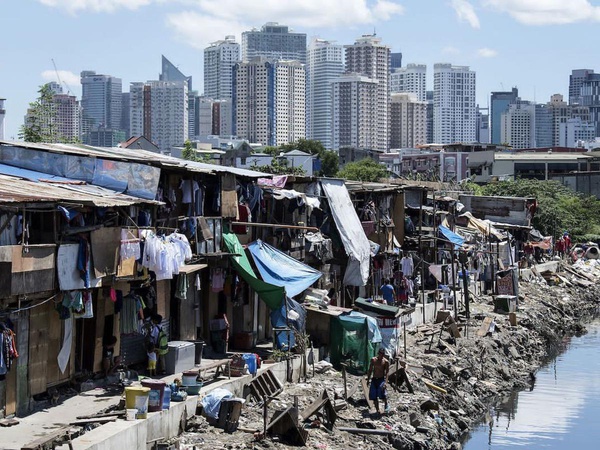
<p>If we are going to talk about classism, we should first establish that many Nigerians are classist.</p><p><br/></p><p>Let me explain. An average Nigerian, especially a middle-class individual, often believes that the lower class are lazy, dirty, or unintelligent.</p><p>Anyways, that’s beside the point.</p><p><br/></p><p>When people talk about Abuja, the most common stereotype is that it is a place for the rich. It is where the “big fishes” live.</p><p>But what people in Abuja won’t tell you is that it is like two different cities existing side by side, divided sharply by the social status of the people on both sides.</p><p>The “rich” side of Abuja, the one you see on TV—is almost sacred ground. Only the wealthy, powerful, and influential truly thrive there. It feels like heaven on earth: steady electricity, tarred roads, massive malls, beautiful landscapes, tall buildings, and schools that almost meet Western standards.</p><p> People from the other side occasionally cross over, often just to pick scraps, because they are rarely allowed access to real opportunities.</p><p><br/></p><p>On the other side, people wander in darkness. Many struggle to feed themselves. Accidents caused by bad roads happen so often they have become normal. Schools are dilapidated, and the curriculum often fails the students it is meant to serve.</p><p>In Abuja, if you don’t sound or look elite, you are less likely to be given opportunities, regardless of your qualifications.</p><p>One time, my sister said, “In Abuja, everything depends on how you let people see you. Don’t come as you are; come as if you’re one of them, their equal.” And I held on to that.</p><p>You may also wonder why insecurity appears less prevalent in the urban areas of Abuja than in the satellite towns. Places like Nyanya, Bwari, and Kuje are not in Zamfara state but it is a topic we are not ready for.</p><p><br/></p><p>And as much as I yearn for equality through and through, I still find myself wearing outfits beyond my budget, smelling like expensive fragrances, and speaking like I’ve spent half my life abroad. Because I refuse to let society decide whether I deserve opportunities.</p>


 82
82



Other insights from Medina Isah









Referral Earning

Points-to-Coupons

Insights for you.


Mental Masterbation
Hi guys! Been a while . Well, I’m glad my country Cameroon 🇨🇲 just qualified for the Af...
1314 views
9 upvotes
5 comments


The perks of being Socially Awkward
One of my favourite series on Netflix is the Good Doctor. I saw the trailer and got hoo...
1266 views
17 upvotes
11 comments


PEOPLE AND FEEDBACK
We all know that feedback and advice aren't exactly the most popular things in the worl...
1042 views
5 upvotes
2 comments


CBT
Cognitive Behavioral Therapy (CBT) is a form of psychological treatment that has been ...
1000 views
6 upvotes
4 comments


The Watermelon Question at the Univer...
It was another bright morning at the University of TwoCents Primary Annex, where curiou...
604 views
12 upvotes
10 comments



When the Lights Go Out
What happens after I die? Not in theory, not in belief(we all know there's heaven and h...
500 views
13 upvotes
6 comments


The Mind's Eye
We don’t just see with our eyes, we also see with our minds. Close your eyes for a seco...
448 views
16 upvotes
9 comments



































Comments