Score |
83




Creative Writer | History Student | I Love FOOD @ Lagos State University




"DAUGHTERS OF DEFIANCE" Asha Haji Elmi
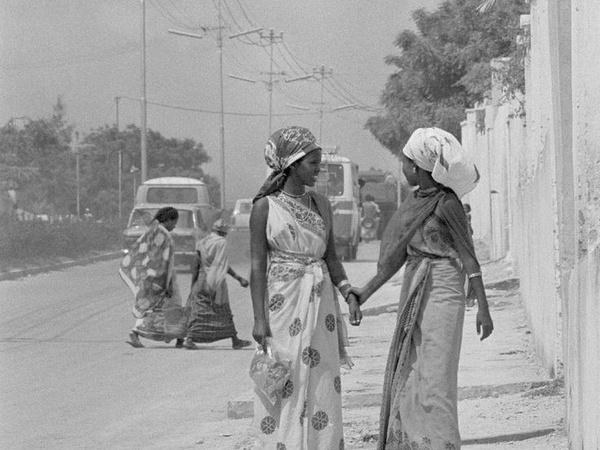
<p>There are moments in history when a nation stands at the edge of collapse—when institutions crumble, violence spreads, and hope feels distant. In such moments, the loudest voices are often those of war. But sometimes, rising quietly against that chaos are voices that insist on something different: peace, dignity, and a place for those who have long been ignored.</p><p><br/></p><p>One of those voices belonged to Asha Haji Elmi.</p><p><br/></p><p>In a country fractured by civil war and deep political divisions, Asha Haji Elmi emerged as a determined advocate for peace and women’s inclusion in the rebuilding of Somalia. Her work challenged not only warlords and political systems but also long-standing cultural norms that had kept women far from the negotiating tables where decisions about the nation’s future were being made.</p><p><br/></p><p>Her story is one of courage in the midst of conflict and a powerful reminder that peace cannot truly exist if half of society is left out of shaping it.</p><p><br/></p><p>Born in 1967 in Somalia, Asha grew up in a society structured heavily around clan identity. Somali communities were deeply rooted in clan systems that shaped social life, politics, and leadership structures. While these systems provided a sense of belonging and protection, they also created rigid boundaries—especially for women.<img src="/media/inline_insight_image/IMG_20260306_134337_549.jpg" style="background-color: transparent;"/></p><p><br/></p><p>From an early age, Asha showed a deep commitment to education and leadership. She studied at the Somali National University before continuing her academic journey abroad at the University of Ottawa in Canada. Her education exposed her to global perspectives on governance, human rights, and conflict resolution, ideas that would later influence her work back home.</p><p><br/></p><p>But it was the tragedy unfolding in Somalia that would ultimately shape the direction of her life.</p><p><br/></p><p>In 1991, Somalia descended into a devastating civil war after the collapse of the central government.</p><p>Communities were torn apart, infrastructure collapsed, and millions were displaced.</p><p><br/></p><p>Amid the chaos, women carried an enormous burden. They were caregivers, survivors, and community stabilizers—yet when peace talks and political negotiations began, they were largely absent from the room.</p><p><br/></p><p>For Asha Haji Elmi, this exclusion was unacceptable.</p><p><br/></p><p>She believed that women, who often bore the deepest scars of war, had a vital role to play in rebuilding peace. If Somalia was going to heal, its women needed to be heard.</p><p><br/></p><p>Determined to change the narrative, Asha took a bold step that would reshape Somalia’s peace process.</p><p><br/></p><p>In 2002, she founded what became known as the "Sixth Clan", a groundbreaking women’s peace movement.</p><p><br/></p><p>Traditionally, Somali politics recognized five major clan groupings that dominated representation and negotiations. By creating the Sixth Clan, Asha and her fellow activists symbolically declared that Somali women themselves were a political force—one that could not be ignored.</p><p><br/></p><p>The idea was revolutionary.</p><p><br/></p><p>Through the Sixth Clan movement, women organized, mobilized, and demanded seats at the peace negotiations that were shaping Somalia’s political future. Their persistence challenged long-standing traditions that had excluded women from political leadership.</p><p><br/></p><p>What began as activism soon turned into political influence.</p><p><br/></p><p>In 2004, Asha Haji Elmi was elected to the Somali Parliament, becoming one of the women helping to shape the nation’s transitional government. </p><p><br/></p><p>Her presence in parliament represented more than a personal achievement—it symbolized a shift in Somali politics, where women were increasingly claiming their place in governance.</p><p><br/></p><p>But Asha’s work extended beyond parliamentary halls.</p><p><br/></p><p>She continued advocating for women’s participation in peacebuilding and decision-making processes both within Somalia and internationally. Her activism aligned with global movements that recognized the critical role women play in resolving conflict and rebuilding societies.</p><p><br/></p><p>She also became a strong supporter of United Nations initiatives such as UN Security Council Resolution 1325, which emphasizes the importance of women’s involvement in peace and security efforts worldwide.</p><p><br/></p><p>The impact of her work rippled far beyond a single political term.<img alt="" src="/media/inline_insight_image/IMG_20260306_134338_222.jpg" style="background-color: transparent;"/></p><p><br/></p><p>In Somalia, her advocacy helped open doors for greater female participation in governance and peace negotiations. Women who once stood on the sidelines of political conversations began to find pathways into leadership and representation.</p><p><br/></p><p>Globally, Asha Haji Elmi’s efforts placed Somalia within a broader conversation about women’s roles in peace processes. Her work demonstrated that women are not merely victims of conflict—they are architects of peace.</p><p><br/></p><p>Today, her legacy continues to inspire Somali women and girls who aspire to lead, advocate, and rebuild their communities.</p><p><br/></p><p>Within the story of Africa’s, Asha Haji Elmi stands as a powerful example of what happens when courage meets conviction. In a time when war dominated the narrative of her country, she insisted on telling a different story—one where women were not invisible, and where peace was built with every voice included.</p>


 40
40



Other insights from Quietly Loud







Referral Earning

Points-to-Coupons

Insights for you.


The Resource Curse
Whenever I think of the plight in Africa, a certain song from my childhood days comes t...
1801 views
7 upvotes
5 comments

BREAST IRONING
Ever heard of the breast ironing practice? well, I am from Cameroon and we have strong ...
1624 views
17 upvotes
21 comments


Africa is rich or poor ?!
To address the issue of poverty and underdevelopment in Africa, it is important to cons...
1284 views
5 upvotes
9 comments


CONCEDING SUPREMACY - THE OWN GOAL PH...
An African man would never agree to the notion that the whites are superior to us. The ...
1237 views
2 upvotes
0 comments

THE REAL WAKANDA IS THE DEMOCRACTIC R...
Sometimes life imitates art, other times art imitates life
The first time I watched...
1114 views
6 upvotes
7 comments

FOR MY WOKE BROTHERS
The death of the Queen of England, is no more breaking news. It's been a week since the...
1100 views
2 upvotes
2 comments

Why have African societies failed?
Where 2 or 3 Africans are gathered, conversations about our countries are sure follow. ...
1081 views
3 upvotes
3 comments


THE DEVIL'S IN THE DETAILS
How do you get someone reliant on you? To get them to follow your every instruction? Th...
742 views
5 upvotes
6 comments




Glory of the Colosseum
The glory of the Colosseum once symbolized the peak of human resilience, the fight for ...
677 views
2 upvotes
4 comments






























Comments