Score |
197








Abuja Was Not Built For You
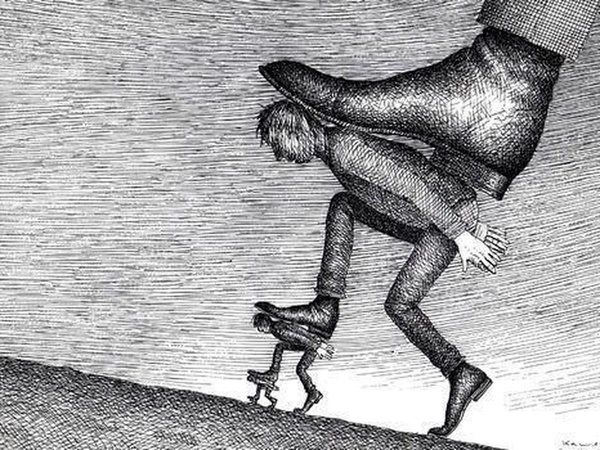
<p>You can tell a lot about a city by who has to wake up at 4am.</p><p>In Abuja, it's the security guard catching the first bus from Nyanya so he's at the gate before the family wakes up. It's the cleaner who needs three connections and ninety minutes to reach an office she'll have spotless before anyone arrives. It's the woman who sets up her orange tray at a Maitama junction and prepares to negotiate the price of tomorrow's survival.</p><p>They are the first people in Abuja every day but the city will not notice them once.</p><p>. . .</p><p>The family the security guard works for doesn't know where he lives. They know his name, his schedule, maybe that he takes his tea without sugar. But they do not know that he shares a room in Karu with two other men, or that his rent went up again in January, or that the bus fare increase last year quietly took something from his life that he hasn't been able to replace.</p><p>He knows everything about their house. Yet, they have never even asked about his.</p><p>This is simply how Abuja works.</p><p>Twenty minutes from the glass buildings of the Central Business District and you reach settlements where entire families share one room, and water comes from a communal tap. A thirty-minute drive separates luxury apartments that cost millions of naira a year from communities where rent is negotiated month by month. Prayer by prayer.</p><p>Abuja displays it the way a bright light reveals dust in the air. The city practically labels its classes geographically.</p><p>This district is for old money.</p><p>That one for the politicians.</p><p>And everywhere else is for... everyone else.</p><p>The construction workers building the new estate in Guzape will never live in it. The driver outside the Wuse restaurant has been waiting since noon for a trip that will take twelve minutes. The city is polished because someone is always polishing it, but that someone just doesn't get to stay.</p><p>And the distance keeps growing.</p><p>Rent climbs. A new gate goes up. Another restaurant opens where the bill for one table could cover two weeks of someone's salary. The city adds another layer of shine, another private generator humming behind tall walls.</p><p>. . .</p><p>At 4am on a Friday, somewhere in Maitama, a boy gets home from a party. He kicks off his shoes at the door, drops onto a bed that costs more than someone's monthly salary, and is asleep before his head settles into the pillow.</p><p>At 4am in Nyanya, a man silences his alarm before it wakes his roommates. He dresses in the dark, counts his bus fare, and steps out into a city that needs him there by 6.</p><p>. . .</p><p>Nobody built this city for the man counting his bus fare in the dark. </p><p>And yet, without him, none of it works.</p>



 88
88







Other insights from Maq













Referral Earning

Points-to-Coupons

Insights for you.





RECOVERING FROM A “GHOST”
Our generation is weird. Almost everyone I know has been ghosted at least once in their...
3287 views
24 upvotes
16 comments



The Matrix Reloaded: In God's Name
I believe that "no matter how poor the African continent is, the economy of its churche...
2843 views
12 upvotes
10 comments



Social media (in)tolerance?
I would like to believe that social media was created to bolster and improve communicat...
2062 views
12 upvotes
9 comments



LET'S TALK ABOUT FAKE FRIENDS
Quite often, we see post from contacts on our social media, about fake friends. Friends...
1559 views
10 upvotes
17 comments


What is the way forward?
“Any names yet? My nephew is from that school!”, cried a devastated aunt after getting ...
1555 views
10 upvotes
11 comments

MORALITY VS OUR LOVED ONES
It is no news that social media and maybe even the country is buzzing with the story of...
1499 views
6 upvotes
9 comments































Comments